
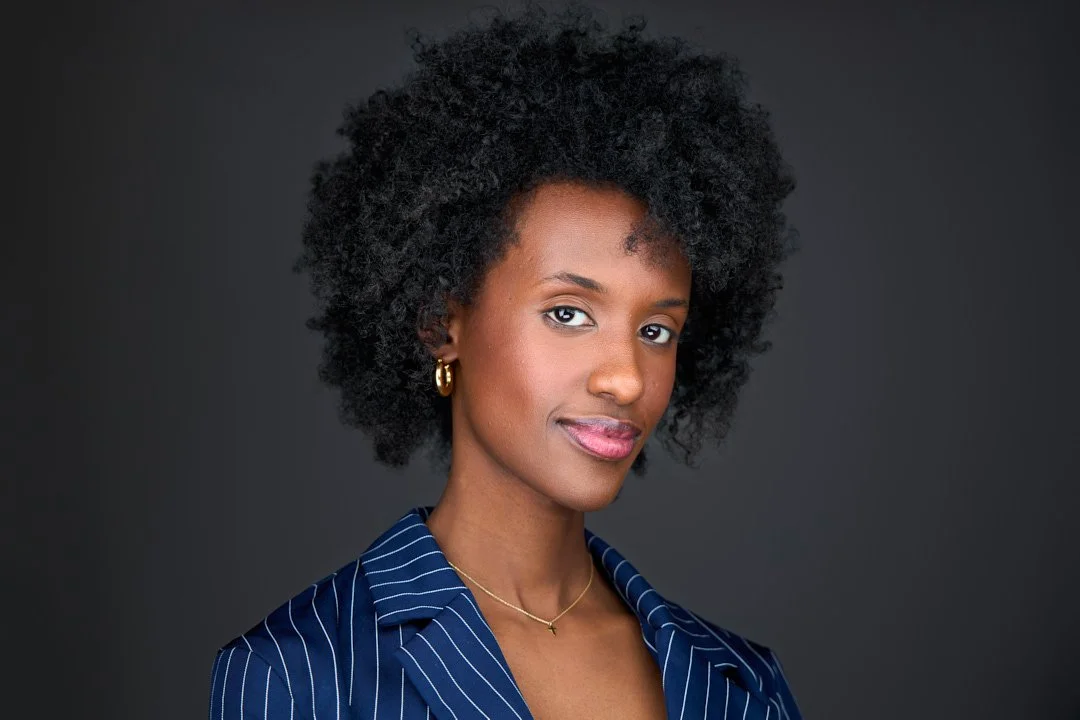
Your actor headshots and actress headshots are often your first audition, long before you ever step into a casting room.
Casting directors review countless submissions when searching for the right talent. Your headshot needs to capture their attention, communicate your personality, and help them imagine you in a role.
But here’s the thing: A great acting headshot isn’t necessarily the photo where you look the most attractive. It’s the photo that makes you look authentic, interesting, and castable.
Whether you’re an aspiring actor preparing for your first audition or an experienced performer updating your portfolio, this guide covers everything you need to know about professional actor headshots.
From choosing the right expressions and outfits to understanding commercial versus theatrical looks, you’ll learn how to create headshots that help you stand out.
1. What Are Actor Headshots, and Why Are They Important?
Actor headshots are professional photographs used to represent actors during auditions, casting submissions, and talent agency applications.
Unlike traditional portraits or corporate headshots, acting headshots have one primary objective: Help casting directors visualize you in a particular role.
Your headshot should communicate three essential things:
Authenticity: An accurate representation of your appearance.
Personality: A glimpse of your natural character and emotional range.
Castability: The types of roles you could realistically portray.
For example, a casting director searching for a friendly young professional might respond to an approachable expression, while someone casting a dramatic thriller might prefer a more intense, serious look.
Your headshot helps communicate these qualities before you’ve said a single word.
What Makes a Great Acting Headshot in Montreal?
The best professional acting headshots share several characteristics:
Sharp, expressive eyes that connect with the viewer.
Natural facial expressions rather than forced smiles.
Professional lighting that complements your features.
Simple backgrounds that don’t distract from your face.
Minimal retouching that preserves your natural appearance.
Clothing that supports your personality and casting type.
Remember, casting directors want to recognize the person who walks into the audition room.
Your headshot should look like you on your best day, not like someone else.
2. Commercial vs. Theatrical Actor Headshots
Not all acting headshots serve the same purpose.
Two of the most common categories are commercial headshots and theatrical headshots.
Understanding the difference will help you build a versatile portfolio.
Commercial Headshots
Commercial headshots are generally bright, approachable, and friendly.
They’re commonly used when auditioning for advertisements, lifestyle campaigns, and promotional content.
Think of the friendly neighbor, enthusiastic employee, or relatable parent you might see in a television commercial.
Characteristics of commercial headshots:
Natural, welcoming smiles.
Bright, flattering lighting.
Relaxed facial expressions.
Approachable and positive energy.
Casual or smart-casual clothing.
Your goal is to look like someone viewers would immediately trust or connect with.
Theatrical Headshots
Theatrical headshots are typically used for film, television drama, and theater auditions.
These images often emphasize emotional depth, personality, and intensity.
Unlike commercial headshots, you don’t necessarily need to smile.
Characteristics of theatrical headshots:
More serious or thoughtful expressions.
Strong eye contact.
Subtle emotional intensity.
Natural, controlled lighting.
Clothing that complements your casting type.
The objective isn’t to look intimidating. It’s to communicate that there’s an interesting character behind your expression.
My recommendation: Most actors benefit from having both commercial and theatrical headshots, especially when auditioning for different types of productions.
3. How to Choose the Right Acting Headshot Looks
One of the biggest mistakes actors make is choosing several headshots that all communicate the same personality.
A strong acting portfolio should demonstrate versatility while remaining believable.
Before your photoshoot, consider the types of characters you could realistically portray.
Popular Casting Looks for Actors
| Casting Type | Expression | Suggested Clothing |
|---|---|---|
| Friendly Neighbor | Warm, approachable smile | Casual sweater or T-shirt |
| Business Professional | Confident, composed | Blazer or button-down shirt |
| Romantic Lead | Relaxed, engaging | Simple, flattering top |
| Detective or Investigator | Focused, serious | Dark jacket or structured shirt |
| Comedic Character | Playful, expressive | Casual, colorful clothing |
| Dramatic Character | Thoughtful, intense | Neutral or darker clothing |
These are starting points, not rigid rules.
For example, a serious expression doesn’t automatically make someone believable as a detective.
Your personality, appearance, wardrobe, and expression should work together to suggest a character naturally.
How Many Looks Should You Prepare?
For most actors, I recommend preparing three to four distinct looks.
You might include:
A friendly, approachable commercial look.
A confident, professional look.
A serious, dramatic look.
A more expressive look that reflects your personality.
If you have an agent, ask which casting types they want to emphasize.
Their feedback can help you create headshots that complement your existing portfolio.
4. What to Wear for Actor Headshots
Your clothing plays an important role in how casting directors perceive you.
However, the most important rule is simple:
Your outfit should complement your face, not compete with it.
Choose Solid Colors
Solid colors generally photograph beautifully because they keep attention on your expression.
Some excellent options include:
Navy blue
Black
Gray
Burgundy
Forest green
Earth tones
Cream and other soft neutrals
Choose colors that complement your complexion, hair, and the background.
Avoid Distracting Clothing
Busy patterns, large logos, and excessive accessories can pull attention away from your face.
Similarly, avoid clothing that feels uncomfortable or doesn’t reflect your personality.
Bring Multiple Outfits
Even if you’re only planning to purchase a few images, bring several clothing options.
Different necklines, jackets, and colors can completely change the impression your headshot creates.
For actress headshots, simple tops, blouses, sweaters, and structured jackets can provide excellent variety.
For male actors, fitted T-shirts, sweaters, button-down shirts, and casual jackets are versatile choices.
Regardless of gender, focus on clothing that supports your casting goals.
Pro tip: Try your outfits on before the session. Make sure everything fits comfortably, is wrinkle-free, and looks good from the chest up.
5. How to Pose and Master Your Facial Expressions
Here’s something many actors don’t realize:
Being comfortable performing on stage or in front of a video camera doesn’t automatically make posing for photographs easy.
During a scene, you have dialogue, movement, and another actor to interact with.
During a headshot session, you’re often standing still, looking directly into a camera.
That’s where professional direction makes an enormous difference.
Your Eyes Are Everything
Your eyes are arguably the most important element of an effective actor headshot.
They communicate confidence, warmth, curiosity, and emotion.
A genuine expression involves more than simply moving your mouth into a smile. The key is subtlety.
Overdoing it can make you appear uncomfortable or unnatural.
Create Real Expressions
If you want to smile, have your photographer actually make you laugh. If you want to look serious or mysterious, imagine a character you are trying to portray and genuinely embody him so that the natural facial expressions come out.
Use Small Adjustments
You don’t need dramatic poses to create variety.
Subtle adjustments to your head angle, posture, and expression can dramatically change the feeling of a photograph.
As a headshot photographer, I focus heavily on coaching these small details.
Sometimes, the difference between an ordinary headshot and an exceptional one comes down to a tiny adjustment in your expression.
6. How to Prepare for Your Acting Headshot Session
A little preparation can make a significant difference in your final photographs.
One Week Before
Start by identifying the casting looks you want to achieve.
Review your existing portfolio and determine what’s missing.
You can also gather inspiration from actors with similar casting profiles.
Choose your outfits and make sure they’re clean, comfortable, and properly fitted.
The Day Before
Try to get a good night’s sleep.
Avoid experimenting with unfamiliar skincare products or making drastic changes to your appearance immediately before your session.
Prepare your clothing and accessories so you’re not rushing the next morning.
On the Day of Your Photoshoot
Arrive with your hair and grooming consistent with how you normally present yourself at auditions.
Keep makeup natural unless a particular casting look requires something different.
Most importantly, don’t worry about knowing how to pose.
A good actor headshot photographer should guide you through the process.
You shouldn’t need to arrive knowing exactly how to position your head, shoulders, or facial expressions.
That’s part of the photographer’s job.
7. How Much Do Professional Actor Headshots Cost?
The price of professional acting headshots varies depending on the photographer, location, session duration, and number of final images.
As a general planning estimate, you might encounter the following price ranges in North America:
| Session Type | Estimated Cost |
|---|---|
| Budget or Beginner Session | $100–$250 |
| Professional Headshot Session | $250–$500 |
| Premium Actor Headshot Session | $500–$1,000+ |
These are illustrative ranges, not fixed industry rates. Prices may be quoted in different currencies depending on the market.
Some photographers offer packages that include several retouched images, while others charge a session fee and allow you to purchase individual photographs afterward.
What Should You Look for?
When comparing photographers, consider:
Experience photographing actors.
Quality and consistency of their portfolio.
Ability to coach natural facial expressions.
Number of outfits and looks permitted.
Retouching quality.
Number of final images included.
Opportunities to review photographs during the session.
Remember that professional acting headshots are an investment in your career.
An inexpensive session isn’t necessarily a bargain if the resulting photographs don’t represent you effectively.
8. How to Choose the Best Actor Headshot Photographer
Choosing the right photographer is about more than finding someone who owns a professional camera.
You want someone who understands how expressions, lighting, and body language influence the impression you create.
Review Their Portfolio
Look beyond technical quality.
Do the people in their photographs look natural and comfortable?
Are their expressions varied, or does everyone have the same smile?
Can you imagine the people in their photographs playing different characters?
A strong portfolio should demonstrate personality, not just beautiful lighting.
Look for Expression Coaching
This is particularly important if you’re uncomfortable in front of a still camera.
A skilled photographer should help you relax while providing clear direction.
They should know how to bring out authentic expressions rather than simply asking you to smile.
Ask About the Session Experience
Before booking, find out whether you’ll have time to experiment with different expressions, outfits, and casting looks.
Also, ask whether you’ll be able to review your photographs during the session.
Seeing your images as you go can help you understand which expressions work best.
For actors looking for professional headshots in Montreal, choosing a photographer who understands both the technical and emotional aspects of portrait photography can make a significant difference.
9. How to Select, Retouch, and Submit Your Headshots
Your photoshoot is complete, and you have dozens of photographs to choose from.
Now comes an equally important step: selecting the right images.
How Many Headshots Do Actors Need?
There’s no universal number, but having three to five strong, distinct headshots is a practical starting point for many actors.
Prioritize variety over quantity.
Three excellent photographs communicating different casting possibilities are generally more useful than ten nearly identical images.
How Much Retouching Is Appropriate?
Professional retouching should enhance your photograph without changing your appearance.
Temporary blemishes, stray hairs, and minor distractions can be corrected.
However, avoid excessive skin smoothing, facial reshaping, or alterations that make you look noticeably different.
Casting directors need to recognize you when you arrive.
Actor Headshot Size and Format
For traditional printed acting headshots, the standard North American format is generally 8 × 10 inches.
Digital submissions are increasingly common, and individual casting platforms may have different requirements.
For digital headshots:
Use high-quality JPEG files unless another format is requested.
Keep your face clearly visible, even at thumbnail size.
Follow the platform’s specific image dimensions and file-size requirements.
Avoid distracting filters and excessive editing.
When Should You Update Your Headshots?
Consider updating your headshots whenever your appearance changes significantly.
This includes major changes to your hairstyle, facial hair, or overall appearance.
Even without significant changes, reviewing your portfolio every year or two can help ensure your images still reflect your current casting goals.
10. Frequently Asked Questions About Actor Headshots
Do Actors Need Professional Headshots?
Yes. Professional headshots are an important part of an actor’s casting materials. They help agents and casting directors evaluate your appearance and determine whether you might be suitable for a role.
Should You Smile in Acting Headshots?
It depends on the casting type. Commercial headshots often benefit from natural smiles, while theatrical headshots may require more serious or thoughtful expressions. Having both gives you greater flexibility.
What Is the Best Background for Acting Headshots?
Simple, neutral backgrounds generally work best. Gray, white, and darker backgrounds can all be effective depending on your clothing, lighting, and desired casting look.
Can You Take Your Own Actor Headshots?
You can, particularly when you’re just starting out. However, professional photographers offer advantages in lighting, composition, expression coaching, and image quality that can help you create stronger casting materials.
Are Actor Headshots Different From Corporate Headshots?
Yes. Corporate headshots typically emphasize professionalism, confidence, and approachability. Acting headshots focus more on personality, emotional range, and helping casting directors imagine you in different roles.
Final Thoughts: Make Your First Impression Count
Your actor headshot is more than a photograph. It’s one of the most important tools you’ll use to introduce yourself to casting directors, agents, and industry professionals.
The best acting headshots combine authenticity, personality, professional lighting, and natural facial expressions.
Whether you’re preparing for your first audition or updating an established portfolio, remember that your goal isn’t simply to look good.
Your goal is to look like someone worth casting.
And with the right preparation, direction, and photographer, you can create headshots that help you make a memorable first impression.
